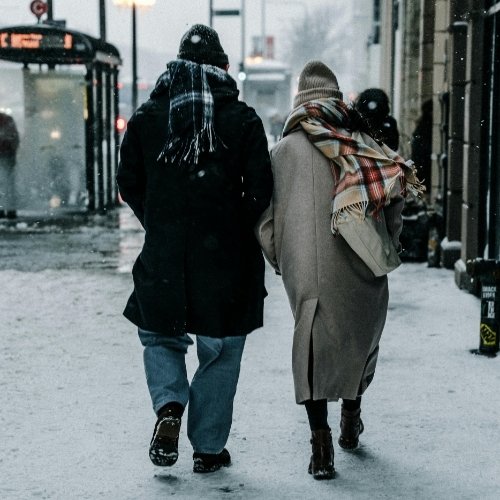
The Ultimate Guide To Chicago Winter Clothing & Layering
Uncover essential layering secrets and game-changing gear recommendations that separate Chicago winter survivors from those who suffer from the chill.
November 28, 2025 •
16 min read
Chicago's winter demands a **three-layer system**: start with **moisture-wicking base layers** like merino wool, add **insulating mid-layers** such as fleece or down, and finish with a **waterproof outer shell**. You'll need insulated boots rated for 200-400 grams, mittens for warmth (or gloves for dexterity), and hats that cover your ears completely. Don't forget thermal leggings, wool scarves, and hand warmers for those brutal wind-chill days. Building this wardrobe doesn't require breaking the bank—secondhand stores and strategic sale shopping can equip you for survival without emptying your wallet, and there's plenty more to reflect on.
## Local Insights
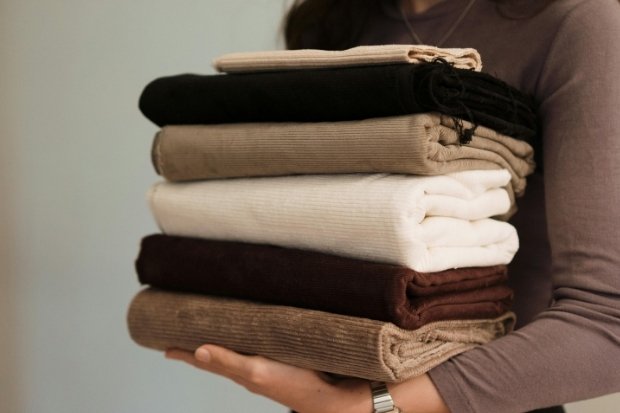
- Use a three-layer system: moisture-wicking base layer, insulating mid-layer like fleece or down, and waterproof windproof outer shell.
- Invest in waterproof insulated boots with 200-400 gram insulation rating and good traction for ice and slush conditions.
- Choose down coats for dry cold weather or synthetic insulation for wet conditions; coat length affects warmth and mobility.
- Accessorize with ear-covering hats, wool or cashmere scarves, and mittens for maximum warmth or gloves for dexterity.
- Save money by shopping secondhand on Facebook Marketplace, Poshmark, thrift stores, and timing purchases around sales events.
## The Three-Layer System: How to Build a Chicago Winter Wardrobe
When Chicago's winter winds start whipping off Lake Michigan, you'll quickly realize that throwing on your heaviest coat isn't enough to stay warm. That's where the **three-layer system** comes in, giving you the freedom to adapt throughout your day without being locked into a single bulky outfit.
Your **base layer** should wick moisture away from your skin—think thermal shirts or merino wool. The **middle layer** traps heat, so you'll want fleece or down vests that don't restrict movement. Your **outer layer** shields you from wind and precipitation while reflecting current fashion trends that don't sacrifice function.
Why does this matter? These **layering techniques** let you peel off or add pieces as you move between Chicago's frigid streets and overheated buildings. You're not stuck sweating on the L or freezing at bus stops. You **control your comfort**, adjusting layers as conditions change throughout your winter adventures.
## Base Layers: Moisture-Wicking Fabrics That Keep You Dry and Warm
Because your body produces sweat even in frigid temperatures, your base layer needs to pull that moisture away from your skin before it turns ice-cold against your chest. Think of it as your personal moisture management system—one that creates thermal comfort while you're traversing Chicago's brutal winters.
You'll want fabrics like merino wool or synthetic blends that actually work for you. Cotton? That's your enemy here, trapping wetness against your skin like a cold, clammy prison.
| **Fabric Type** | **Best For** |
|-----------------|--------------|
| Merino Wool | All-day wear without odor buildup |
| Synthetic Polyester | High-activity situations and quick drying |
| Silk Blends | Lightweight warmth for less extreme days |
Your base layer should fit snug but not restrictive—you're building freedom of movement, not creating a straightjacket. Can you lift your arms comfortably? Can you bend without fabric bunching? That's how you'll know you've found the right foundation for conquering winter.
## Mid-Layers: Choosing Between Fleece, Down, and Synthetic Insulation
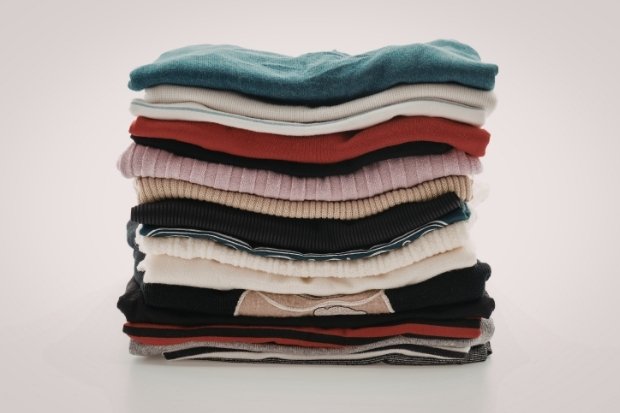
Your **mid-layer** is where the real magic happens—it's the **insulation powerhouse** that traps warm air around your body while the Arctic winds howl outside. So what's your best bet for Chicago's unpredictable winter?
Fleece benefits include breathability, **quick-drying properties**, and reliability even when damp. You'll stay comfortable during those unexpected temperature swings when you're hopping between overheated trains and frozen sidewalks. Plus, it's lightweight and won't restrict your movement.
Down offers **unbeatable warmth-to-weight ratio**, but here's the catch—down drawbacks become apparent in Chicago's wet snow and slush. Once moisture seeps in, down loses its insulating power and takes forever to dry.
Synthetic insulation splits the difference. It **maintains warmth when wet**, dries quickly, and costs less than down. For **maximum freedom and versatility** in Chicago's **variable conditions**, synthetic or fleece mid-layers give you the adaptability you need without weighing you down.
## Winter Coats for Chicago: Shells That Block Wind and Trap Heat
When Chicago's brutal wind chills hit, your **winter coat** becomes your most critical defense—so choosing between **down's unbeatable warmth-to-weight ratio** and **synthetic insulation's wet-weather performance** really matters. You'll also need to contemplate whether your coat's outer shell can actually block those relentless lake-effect winds, since even the best insulation won't help if cold air slips through the fabric. Length matters too: are you better off with a hip-length jacket for mobility or a **knee-length parka** that'll keep your legs from freezing during your morning commute?
### Down vs. Synthetic Insulation
If you've ever shopped for a winter coat in Chicago, you've probably noticed two distinct price points and wondered what justifies the difference. The answer lies in insulation type, and understanding down insulation benefits versus synthetic insulation advantages helps you make the right choice.
Down traps heat exceptionally well and compresses into nothing when you're not wearing it. Synthetic insulation keeps working even when wet, which matters during Chicago's slushy February thaws.
| Feature | Down | Synthetic |
|---------|------|-----------|
| Warmth-to-weight ratio | Superior | Good |
| Wet weather performance | Poor | Excellent |
| Price point | Higher | Lower |
You'll want down for extreme cold if you're staying dry. Choose synthetic if you're commuting through unpredictable weather or need something budget-friendly that won't quit.
### Windproof Outer Shell Materials

While your coat's **insulation generates warmth**, it's the **outer shell** that determines whether you'll actually keep that heat or lose it to Chicago's brutal **wind chill**. You need materials that block gusts without turning you into a walking sauna.
Look for **tightly-woven nylon or polyester** shells that stop wind dead in its tracks. Many modern coatings add **waterproof protection** against snow and sleet, keeping moisture from seeping through to your layers. But here's the catch: you can't just seal everything up completely. You need **breathable fabrics** that release perspiration vapor, or you'll end up drenched in sweat during your commute.
The best shells balance these three elements—windproofing, waterproof coatings, and breathability—so you stay comfortable whether you're walking the Magnificent Mile or waiting for the Red Line.
### Length and Coverage Options
Coat length isn't just a style choice—it's a strategic decision about which body parts you're willing to sacrifice to the cold. Hip-length jackets offer mobility and work great if you're moving constantly, but your thighs will feel Chicago's wrath. Mid-thigh coats provide the sweet spot between freedom and protection. Full-length parkas? They're your fortress against brutal windchill, though they limit movement.
| Length Options | Coverage Styles |
|---|---|
| Hip-length | Maximum mobility, minimal protection |
| Mid-thigh | Balanced coverage and movement |
| Knee-length | Superior warmth, reduced flexibility |
| Full-length | Complete shield, restricted activity |
Consider your daily routine. Are you walking ten blocks or sprinting between Ubers? Your coverage styles should match your lifestyle, not fight against it.
## Winter Pants for Chicago: Thermal Leggings to Insulated Snow Pants
Chicago's winter demands more than just your everyday jeans if you want to stay comfortable during those bone-chilling walks to the train or weekend outings in the snow. You'll need bottoms that actually fight back against the cold.
Thermal leggings work perfectly as a **base layer** under your regular pants, trapping heat close to your skin without adding bulk. They're ideal for daily commutes when you don't want to sacrifice style for warmth. Look for **moisture-wicking fabrics** that keep you dry throughout the day.
When temperatures really plummet or you're planning **outdoor activities**, **insulated pants** become your best friend. These heavyweight options feature **synthetic or down filling** that shields you from arctic blasts. They're essential for sledding, ice skating, or simply existing outside when wind chills hit dangerous levels.
Want **maximum versatility**? Choose insulated pants with **side zippers**—you can adjust ventilation as you move between heated buildings and frozen sidewalks.
## Winter Boots That Handle Chicago's Ice, Slush, and Deep Freeze
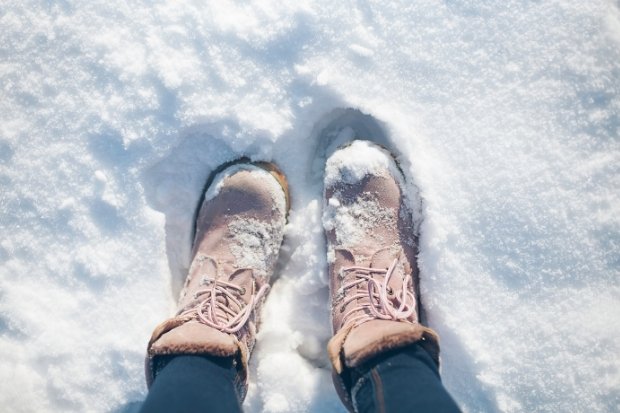
Your winter pants won't matter much if your feet are **soaking wet** and freezing by the time you reach your destination. Chicago's sidewalks become obstacle courses of black ice, gray slush puddles, and refrozen patches that'll send you sliding if you're not prepared.
You need boots built with **waterproof materials** that actually keep moisture out, not just water-resistant fabrics that give up after ten minutes. Look for **sealed seams** and **rubber lower sections** that protect against slush splashes. **Insulation matters** too—ratings around 200-400 grams work well for most Chicago conditions.
But here's what separates adequate boots from lifesavers: **traction features**. Deep lugs, rubber outsoles designed for icy conditions, and **aggressive tread patterns** prevent those terrifying slip-and-catch moments. Some boots even incorporate special compounds that stay flexible in extreme cold.
Don't sacrifice your mobility and safety for style. The right boots let you navigate Chicago's winter streets confidently, keeping you moving freely regardless of what weather throws your way.
## Gloves and Mittens: Which Style Keeps Hands Warmer in Extreme Cold?
When Chicago's **wind chill** drops to bone-chilling levels, you'll face an essential question: should you grab **gloves or mittens** before heading out? The answer isn't just about personal preference—it's about understanding how each design traps heat differently, because mittens keep your fingers together to generate more warmth while gloves offer better dexterity at the cost of some insulation. Let's break down the **warmth factor** and explore which materials and insulation types will actually protect your hands when **temperatures plummet below zero**.
### Mittens vs. Gloves Warmth
Although both options will protect your hands from winter's bite, **mittens consistently outperform gloves** when temperatures plummet into **extreme cold territory**. Why? Your fingers generate **shared warmth** when bundled together, creating a **cozy microclimate** that individual glove compartments simply can't match. That's one of the key mittens advantages you'll appreciate during Chicago's brutal subzero days.
Sure, gloves dexterity makes tasks like checking your phone or fumbling with keys easier, but is that convenience worth **frozen fingertips**? When you're facing windchills that could cause frostbite in minutes, mittens become your freedom to explore without worry. Consider keeping **lightweight glove liners** underneath your mittens—you'll get warmth plus the flexibility to handle quick tasks when needed. Smart layering beats suffering through numb fingers every time.
### Material and Insulation Options

While mittens win the warmth battle structurally, the materials you choose matter just as much as the design itself. You'll want thermal materials that trap heat without restricting movement. Modern insulation technologies have revolutionized cold-weather gear, giving you options that actually work.
| Material Type | Warmth Rating |
|--------------|---------------|
| Wool blend | High retention, breathable |
| Synthetic fleece | Affordable, quick-drying |
| Down insulation | Superior warmth-to-weight |
What's your priority—flexibility or maximum protection? Wool naturally regulates temperature while synthetic options dry faster after snow exposure. Down provides unbeatable warmth but loses effectiveness when wet. Layer your choices strategically: moisture-wicking liners beneath insulated shells keep you comfortable longer. You're not stuck with bulky, restrictive options anymore. Today's thermal materials offer freedom of movement without sacrificing protection against Chicago's brutal winds.
## Hats and Scarves: Protecting Your Head and Neck From Wind Chill
Chicago's infamous **wind chill** doesn't just make your face sting—it can actually rob your body of essential heat faster than you'd think. Your head and neck are prime zones for **heat loss**, so **protecting them** isn't optional if you want to enjoy your winter freedom.
When choosing **hat styles**, look for options that cover your ears completely. Beanies, trapper hats, and lined caps work best because they seal in warmth without restricting your movement. Skip anything loosely woven—you need solid protection against Chicago's relentless gusts.
For scarves, **scarf materials** matter enormously. Wool and cashmere blends offer **superior insulation** while remaining breathable. Synthetic fleece works too, especially if you're on a budget. Wrap your scarf to cover your neck and lower face when temperatures plummet below twenty degrees. Can you afford to leave these areas exposed? Not if you value comfort and mobility during your urban adventures.
## Cold-Weather Extras: Hand Warmers, Balaclavas, and Neck Gaiters
Three simple accessories can transform your brutal winter commute into something actually tolerable: **hand warmers**, **balaclavas**, and **neck gaiters**. You'll find freedom in staying outside longer without that miserable retreat indoors.
Hand warmer types include **disposable packets** that activate with air exposure and rechargeable **electric versions** you can use repeatedly. Slip disposables into your pockets or gloves for instant relief during those bone-chilling waits at the train station. Electric ones cost more upfront but pay off if you're outside frequently.
Balaclava benefits extend beyond looking like a winter warrior—they cover your entire face except your eyes, eliminating gaps where wind sneaks through. Neck gaiters offer similar protection with easier breathability and versatility. You can pull them up over your nose or down around your neck as temperatures shift.
These extras aren't luxuries in Chicago—they're your ticket to actually enjoying **winter activities** instead of just surviving them.
## Building Your Chicago Winter Wardrobe on Any Budget
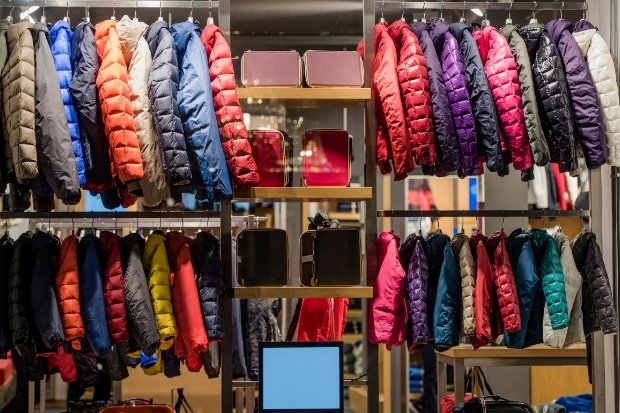
You don't need to drain your bank account to survive a **Chicago winter**—you just need to prioritize what matters most. Start by identifying your **essential items** like a solid coat, weatherproof boots, and warm layers, then hunt for deals through **end-of-season sales**, outlet stores, and second-hand shops that often carry high-quality gear at a fraction of the retail price. Smart shopping means investing more in pieces you'll wear daily while finding **budget-friendly options** for extras, ensuring you stay warm without breaking the bank.
### Essential Items First
Building a winter wardrobe that'll actually keep you warm doesn't mean you need to drop thousands of dollars at once. Start with the essentials layers that matter most: a quality winter coat, insulated boots, and thermal base layers. These three items form your defense against Chicago's brutal winds and sub-zero temps.
| Priority Level | Essential Item | Why You Need It |
|---|---|---|
| **Must Have First** | Winter coat (waterproof, insulated) | Your primary shield against wind and snow |
| **Must Have First** | Insulated winter boots | Prevents frostbite and keeps you mobile |
| **Must Have First** | Thermal base layers | Foundation of warmth under everything |
| **Buy Next** | Winter accessories (gloves, hat, scarf) | Protects extremities from dangerous cold |
| **Buy Next** | Wool socks (multiple pairs) | Keeps feet dry and warm daily |
Once you've covered these basics, you'll survive comfortably while building out your collection.
### Smart Shopping Strategies
Timing your purchases around Chicago's **retail cycles** can slash your winter wardrobe costs by 50% or more. **Smart shopping** means knowing when to strike, and you'll find the **best deals** by planning ahead instead of **panic-buying** during the first snowfall.
**Budget friendly strategies to maximize your winter wardrobe:**
- Shop **end-of-season sales** in February and March for next year's gear
- Check outlet malls in surrounding suburbs for premium brands at discounted prices
- Browse thrift stores in affluent neighborhoods for gently-used quality pieces
- Compare prices across online retailers before committing to purchases
- Invest in versatile neutrals that'll mix and match effortlessly
Why pay full price when patience and strategy can stretch your dollars? You've got options beyond retail stores—Facebook Marketplace and Poshmark offer excellent **secondhand finds** that'll keep you warm without emptying your wallet.
## Frequently Asked Questions
### What Indoor Temperature Should I Maintain to Avoid Overheating in Winter Layers?
You'll feel like you're melting faster than a snowman in July if your **indoor heating** exceeds 68-70°F while wearing winter layers! For ideal **thermal regulation**, keep your thermostat around 65-68°F when you're bundled up indoors. This range gives you the freedom to stay **comfortable** without stripping down to your base layer every time you enter a building. Remember, you can always shed a layer if needed, but nobody wants to deal with that stuffy, overheated feeling that comes from cranked-up indoor heating.
### How Do I Care for and Wash My Winter Clothing Properly?
Proper **fabric care** starts with reading those **washing tips** on garment labels—seriously, they're there for a reason. Wash your down jackets on **gentle cycles** with specialized detergent, then tumble dry with tennis balls to restore loft. Turn wool sweaters inside out, use cold water, and lay flat to dry. Got **waterproof shells**? Skip fabric softener; it destroys their protective coating. Store everything clean and completely dry to prevent mildew. Your winter gear deserves respect—it's protecting your freedom to explore Chicago's frozen beauty.
### When Does Chicago's Winter Season Typically Start and End?
Chicago's **winter season** typically runs from late November through early March, though you'll want to brace yourself for this: seasonal temperatures can plunge to an **average of just 26°F** in January. You're looking at roughly **four months of cold weather**, with the worst chill hitting between December and February. Snow often arrives by Thanksgiving and can linger into April, so don't pack away those boots too early. Ready to embrace the freeze on your own terms?
### Can I Wear My Winter Coat on Public Transportation Without Overheating?
You'll definitely overheat wearing your **winter coat** on **public transport**—Chicago buses and trains crank the heat hard. Here's your move: unzip or remove your coat once you board. Most locals do this without thinking twice. If you're hopping between short stops, just loosen it up. Planning a longer ride? Take it off completely and use it as a **lap blanket**. You'll stay comfortable and won't arrive at your destination drenched in sweat.
### Where Are the Best Stores in Chicago to Buy Winter Clothing?
You'll find great **winter fashion** at The North Face and Patagonia on Michigan Avenue, plus Columbia Sportswear in Lincoln Park. Want **budget-friendly shopping tips**? Hit up Uniqlo for affordable thermal layers, or explore vintage gems at Lost Girls Vintage in Wicker Park. REI in Lincoln Park rocks for technical gear, while Macy's on State Street covers everything under one roof. Why limit yourself to one store when you can mix high-end pieces with thrift finds for your own unique **cold-weather style**?
## Summary
You've learned the secrets to surviving Chicago's icy grip, so now it's time to gear up like you're preparing for your own **winter expedition**. Remember, there's no such thing as bad weather—only **bad clothing choices**. Layer smartly, protect your extremities, and you'll conquer the Windy City's coldest days with confidence. Don't let Jack Frost win this battle. **Bundle up**, step outside, and show winter you mean business.
Related Searches in Chicago
- Chicago North Side vs South Side explained
- best deep dish pizza Chicago
- signs you need professional drain cleaning
- best Gold Coast steakhouses for lunch
- vegan sushi Chicago reviews
- moving tips for living in Chicago
- best poke bowls in West Town Chicago
- Chance the Rapper New Year's performance Chicago
- furnace repair Chicago North Side
- triple pane windows Chicago cost
- best windows for Chicago winters
- best smash burgers West Loop
- where to get Lou Malnati’s near me
- best free things to do chicago winter
- Phantom of the Opera Chicago 2025 schedule
- where to get poke in Chicago
- where to eat dim sum in Chicago
- no heat emergency repair Lakeview Chicago
- vegan sushi chicago north side
- Chicago New Year's Eve 2026 Riverwalk event
- authentic jollof rice Chicago suburbs
- best HVAC companies Logan Square
- best Chinese restaurants North Center
- best Thai food North Center Chicago
- Chicago winter free events
- best Thai restaurants Roscoe Village
- window replacement cost Chicago
- emergency boiler repair West Ridge
- last minute New Year's Eve parties Chicago 2026
- best coffee shops in Chicago 2024
- Orange Garden vs House of Wah Sun
- high-asset divorce attorneys in chicago for business owners
- recommended window replacement near me
- best Lincoln Park restaurants Chicago
- where to eat in Lincoln Park
- funny Chicago stereotypes that are actually true
- black mold removal services Chicago
- walk-in restaurants Chicago no reservation
- 24/7 emergency plumbing repairs west loop chicago
- water damage restoration Chicago
- emergency furnace repair North Center Chicago
- chicago tamales and tacos
- best boiler technicians near Irving Park
- best deep dish pizza River North
- mold remediation experts Chicago
- best Japanese restaurants North Center Chicago
- Chicago rooftop New Year's Eve events
- best window repair Chicago
- Pequod's Pizza delivery Lincoln Park
- Au Cheval burger review
- vegetarian Nigerian food Schaumburg
Trending Searches in Chicago
- emergency AC repair Northwest Side
- emergency window repair Chicago
- air duct cleaning Chicago
- caramelized crust Chicago pizza
- Chicago 2025 winter event safety
- Elske vs Sepia Chicago review
- understanding the Chicago street grid system
- vegetarian-friendly Chinese food Chicago
- chicago pop up thrift shops 2026
- insurance water restoration services North Park
- emergency HVAC service near Edgewater
- sewage smells coming from household drains
- how to tell if your main sewer line is clogged
- most instagrammable historic buildings in chicago for photography
- Chicago Loop landmark tours
- where to find jollof rice Chicago
- fast response emergency drain cleaning west loop
- authentic Irish pubs Chicago
- how to build a winter wardrobe on a budget in Chicago
- authentic jollof rice Chicago suburbs
- Chicago Architecture Biennial tickets
- affordable heater repair Chicago Lakeview
- does triple pane reduce city noise
- urgent boiler repair Chicago
- vintage boiler maintenance Chicago
- where to eat burgers West Loop Chicago
- family run window companies Illinois
- vegetarian options at Mukase Restaurant
- vegetarian poke options West Town
- Rogers Park HVAC emergency repair
- Chicago Chinese food delivery eco-friendly
- vinyl window installers Chicago suburbs
- vetted matrimonial law specialists chicago
Top Recommendations in Chicago
- Cook County free flu clinics winter 2025
- what to expect moving to Chicago
- Ghanaian Nigerian food Chicago
- vegetarian deep dish pizza Chicago
- scenic Metra rides to Kenosha
- Laotian food in Chicago
- Chicago mold testing and asbestos removal
- free CTA rides New Year's Eve Chicago
- free Metra rides to Chicago theaters
- where to watch New Year's Eve fireworks Chicago
- is Chicago really the windy city
- radiant floor heating installers Chicago
- West Loop fine dining tips
- cost to repair old windows Chicago
- neighborhood coffee shops Chicago
- free family activities Chicago winter
- BYOB seafood chicago
- reliable Chicago HVAC companies for no heat
- r&b dance nights chicago
- mold and water restoration Chicago IL
- which windows are best for Chicago winters
- local locksmith reviews Chicago
- late-night dining Chicago recommendations
- funky Thai restaurants Chicago
- Chicago window replacement tips
- steakhouse private dining Chicago
- Chicago sushi restaurants with patio
- Nigerian catering Illinois
- Chicago LEED Gold office buildings
- fast furnace repair Logan Square
- storm damage repair companies Chicago
- best heating repair companies Chicago
- Lincoln Park romantic dinner spots